Start typing to search posts!
Install Tips
Results for:
Categories
Recent Posts
TRUCOR Introduces New Collection Names
July 31, 2026
Comfort Heights Vs. Haven Heights: A Comparison
July 1, 2026
Waterproof vs Water-Resistant Flooring
By Ehva Glines
March 10, 2026
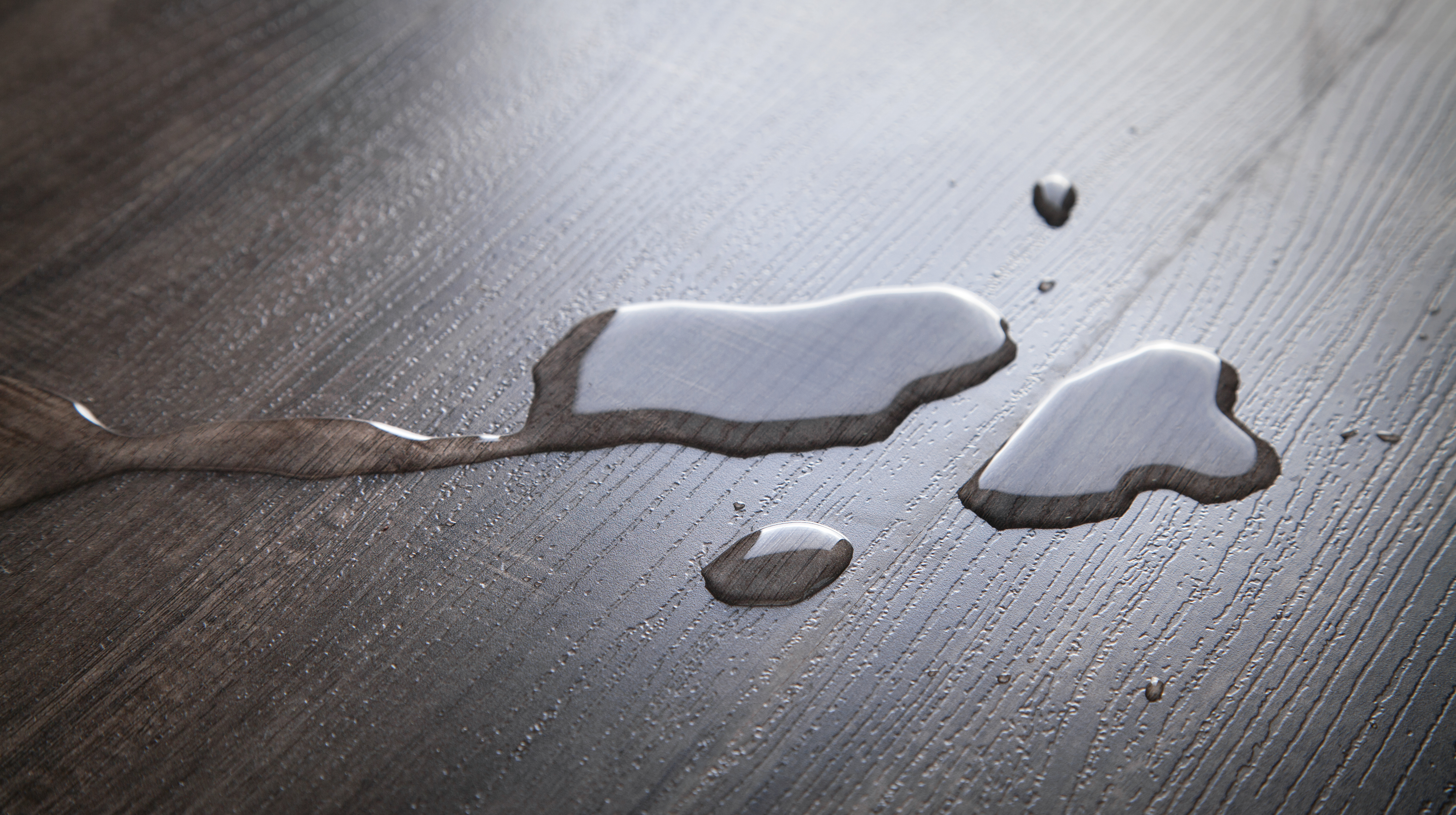
Waterproof and water-resistant flooring are often treated as the same thing, but they perform very differently in real-world conditions. Laminate flooring is typically water resistant and can handle spills for a limited time, but prolonged moisture can cause swelling and permanent damage. Vinyl flooring, on the other hand, is structurally waterproof and will not absorb water. Understanding this difference is critical when choosing flooring for kitchens, basements, or homes with pets.

Best Flooring for Hot and Dry Climates
By Ehva Glines
January 20, 2026
Choosing the right flooring for a hot and dry climate takes more than picking a style you like. Heat, low humidity, and strong sunlight can cause some floors to shrink, crack, or fade over time. In this guide, we break down the best flooring options for warm, dry regions and what to avoid for long-lasting results.

The Mysteries of Laminate Flooring
By Ehva Glines
April 19, 2025
Laminate flooring is popular in many regard, as there are many benefits to having it in your home. However, there are some common issues found within laminate flooring that many people seem to run into. In this blog post we delve into some reasons why these things happen, and how to prevent them before the flooring itself is even installed in your home, that way you dont even have to worry about these issues arising!
Can I Use a Roomba on Mohawk RevWood Floors? | Znet Flooring
March 7, 2025

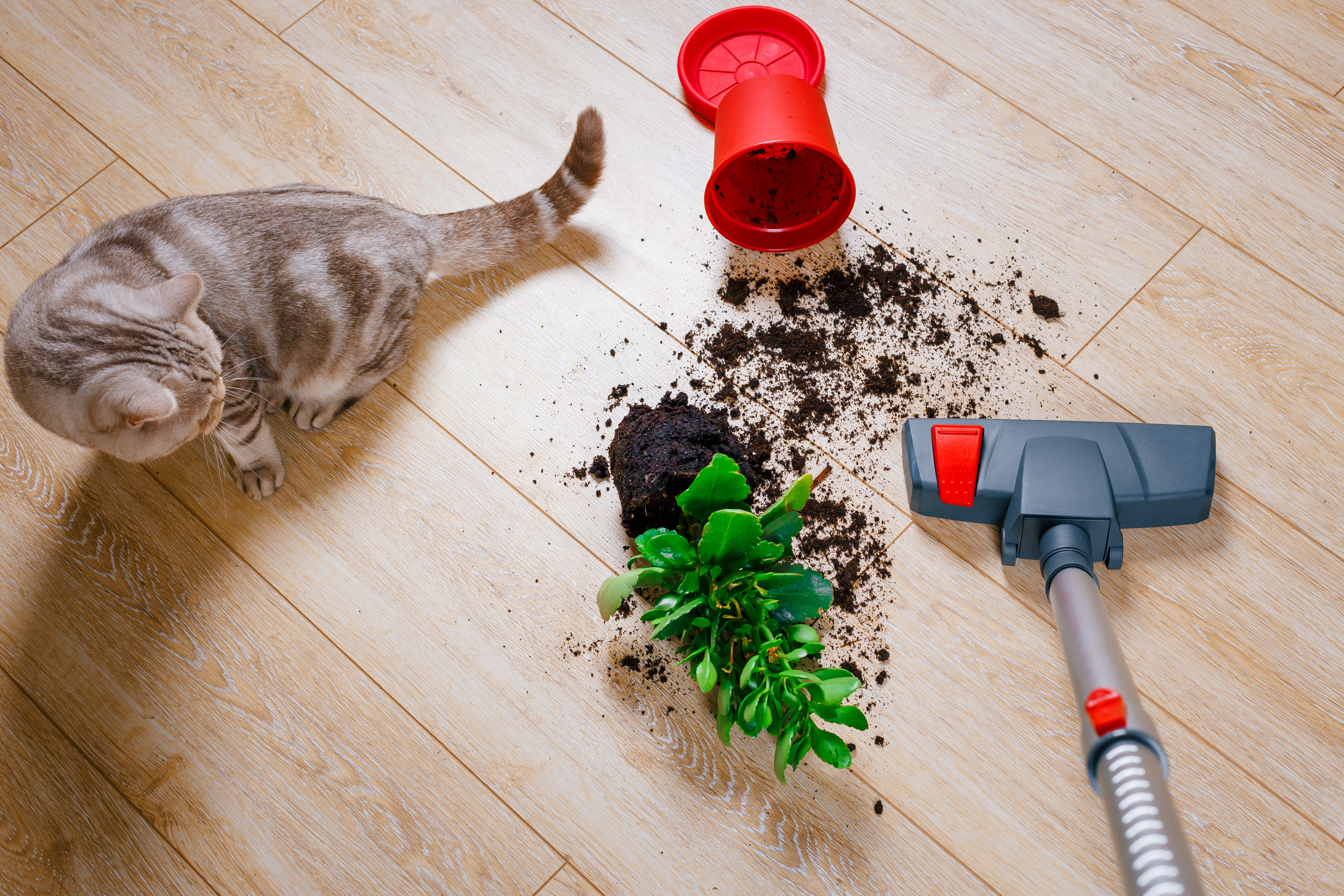
Laminate flooring is a popular choice for many homeowners for various reasons. It's amzing looks and ease of maintenance top that list. Industry experts are even predicting laminate will start to catch back up to vinyl plank sales in the upcoming years. We recently had a customer specifically ask about a Roomba being used on Mohawk's RevWood, the most reputable laminate on the market, so we though we would do a little write up about it.
Coping Baseboard Joints
By Shawn Glines
October 6, 2019

Want your DIY baseboard job to look professional? Start coping baseboard joints to prevent unsightly gaps at the corners. Learn what coping is and why it’s essential for a tidy, professional finish. Discover how to cope baseboard corners and ensure your baseboards remain gap-free.
How to Choose a Great Floor Installer
By Shawn Glines
August 18, 2019
Chooseing a Great Flooring Installer, One Who Knows What They Are Doing
Finding a Floor Installer Who Knows How to Get the Job Done Right
DIYing a floor can be a hard task and sometimes it is helpful to hire a contractor to do it for you.
In 2017 19.736 billion square feet of flooring was laid down. That amounted to $21.990 billion in sales, partly due to an increase in waterproof flooring products.
While there are different types of flooring such as hardwood, laminate, vinyl, and tiles, all of them require installation. While some types are easier to install, most people prefer to hire a professional installer rather than attempt a DIY job.
But it's not always easy to find the right type of professional floor installer. Not all of them are adept at handling each type of flooring.
We want to help ensure you find the right person for the job. Keep reading to learn how to choose a floor installer.

7 Important Tips for Installing New Floors
By Shawn Glines
July 29, 2019
Installing New Floors: 7 Tips
Important Tips for Floor Installation

Floor installation can be time consuming and difficult if not done properly. These are some important strategies and tips for installing flawless floors.
The demand for new flooring has increased throughout the United States, and it's only going to continue to grow in the coming years.
If you've been considering installing a new floor in your home, now is the time to take action.
What's holding you back from installing a new floor? Are you worried about how time-consuming or complicated the process will be?
If this is the case for you, keep reading. Listed below are some helpful tips that will make floor installation go a bit smoother.
DIY Laminate Flooring Installation
By Shawn Glines
July 22, 2019
How-To: Install Your Own Laminate or Locking Vinyl Plank Flooring
Laminate and vinyl plank flooring is one of the best recent developments in DIY home improvement. This low-cost project requires few tools, little technical knowledge, and can be completed by a mildly experienced DIYer. Follow this step-by-step guide and learn how to choose and install laminate flooring yourself

Image courtesy of Armstrong Flooring
Installation "How To" for Floating Floors With a Locking System, Such as Laminate and Vinyl Plank
Thank you for taking a look at our installation guide for laminate and vinyl plank (with a locking system) flooring products. Hopefully we can answer many questions that you were searching the internet for and get you a better understanding of the process. We will have some recommended and required tool listings, desription of the correct processes, and ever a few videos.
As always fill free to contact us with any questions you may have or with anything we should add to this guide.
Undercutting
By Shawn Glines
July 15, 2019
The Importance of Undercutting for Your Flooring Project
Lets Talk About Undercutting
Professional installers will already know what to do and will have the tools. Typically you would want to at least undercut your door casings and door jambs so you can tuck your flooring underneath, allowing enough room for proper expansion and contraction (I suggest allowing 1/4" each direction, so the goal would be a 1/2" or more to be cut out). Some installers may even undercut stone, metal, and/or mortar; all of which can prove to be quite diffucult for your average homeowner, do-it-yourselfer, and even a less experienced handiman.
Pictures of Undercutting for Waterproof Vinyl Flooring

As you can see in the above photo, the flooring will not fit under the door casing and jamb, many homeowners and/or handymen will cut around the casings and it will look sloppy, for a more professional look:

In the above photo the casing and jamb were both cut so the flooring can slide underneath. Here are a few more photos of cut door casings and jambs:

The Tools Needed for Undercutting for a Professional Flooring Installation
Standard tools used to undercut (cutting objects not made of wood may require different blades), some may have more versatility allowing the homeowner to not feel they bought a tool for just one job, while others are quite specialized.
For a homeowner installing their own floor, I would suggest an oscillating multi-tool because they can likely find other uses for it around their home, in fact, they may already have one if they have done other home projects themselves.
Here is an inexpensive oscillating tool that might be ideal for someone who wont use it often:

Genesis GMT15A Multi-Purpose Oscillating Tool
Here is a more expensive oscillating tool that would be better if you planned on using it more often:
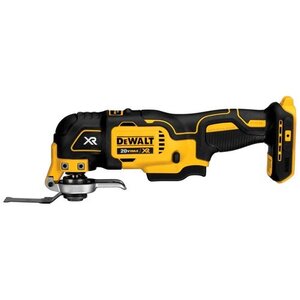
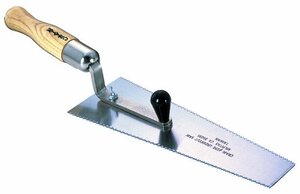
There are even inexpensive hand version of undercut saws. I grew up using these, they work pretty well, however if you have a lot of cutting to do it may take you a while:
This is a more specialized tool and it is more geared towards professionals who do a lot of undercutting, most professionals will carry the above saws with them as well, as some work better in certain situations than others:
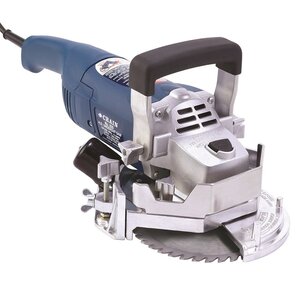
Crain No. 835 Heavy-Duty Undercut Saw
Thanks guys for taking a look, if you guys have any questions about undercutting or installations in general please leave a comment or fill out our contact form, I love to talk flooring and emails are super easy to squeeze in. Also for more recommended tools, we have a few listed in this Installation 101 post.