Start typing to search posts!
Results for:
Categories
Recent Posts
TRUCOR Introduces New Collection Names
July 31, 2026
Comfort Heights Vs. Haven Heights: A Comparison
July 1, 2026
Best Flooring Options for Cold Climates
By Ehva Glines
February 10, 2026
The Best Flooring Options for Cold Climates (And What to Avoid)
At Znet Flooring, we ship all across the continental USA. Even though our location is located in the desert, we are still knowledgeable about other climates and the preferred floors for all of them! That said, we still also have a blog post on this same topic but for hot and dry climates, check it out here!
When buying your new floor, if you don't take into consideration your weather it could heavily affect your floor's performance over the years. If you’re in the Midwest, Northeast, Mountain states, or Northern Plains, these climates can easily sneak up on you and your floors if you don't properly prepare for it, ruining your floor which ends up costing you more money in the long run! This makes it important to do your research about your climate and how different types of flooring react, as they all react differently and require different things to be a thriving floor in your home.
Common Flooring Issues in Cold Climates
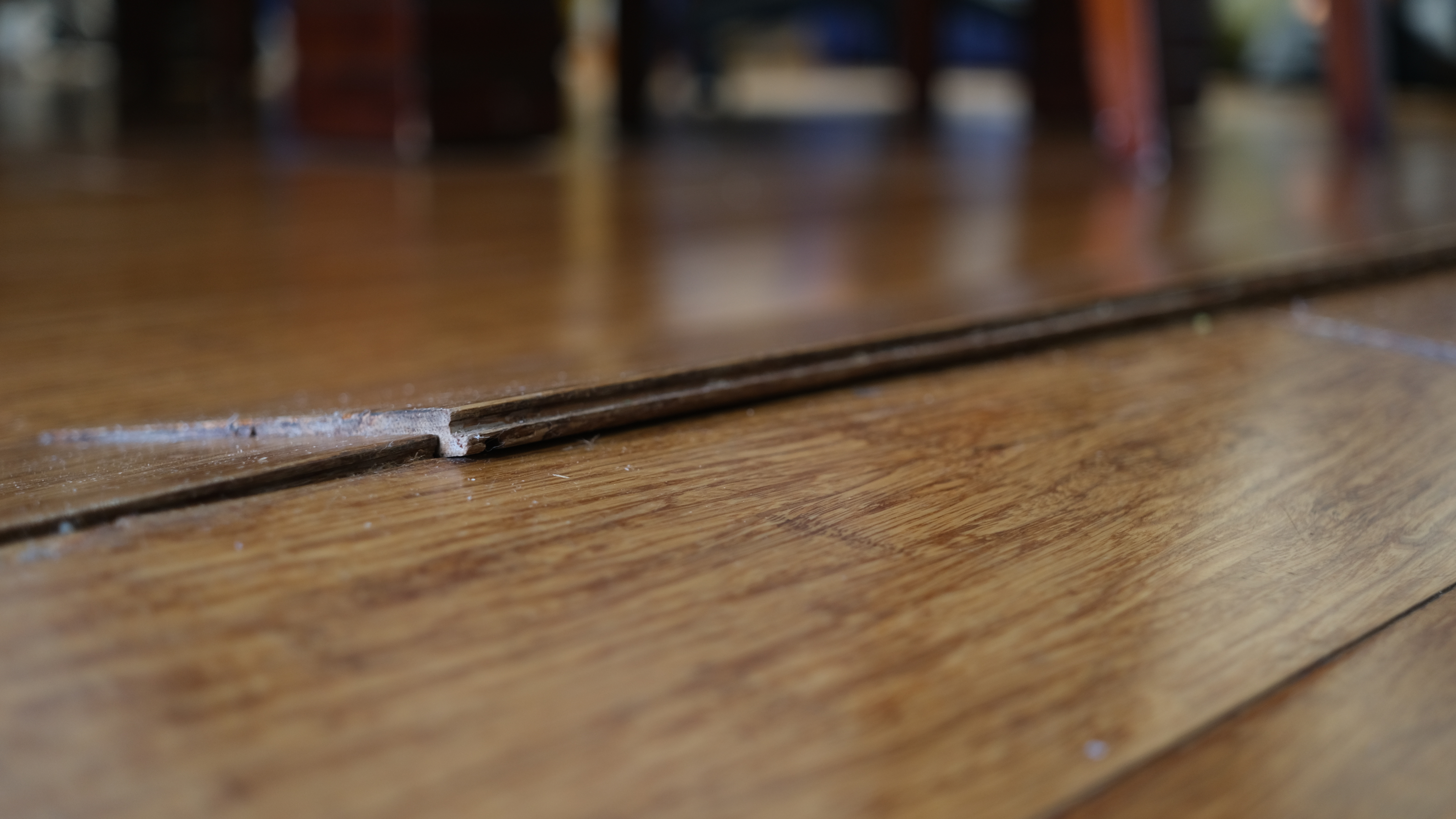
A big main issue in cold climates with flooring, is temperature fluctuations inside the house due to heating systems. This inconsistent temperature can end up harming the floor! Along with dry winter air causing moisture loss in the floor, it can cause it to shrink and shrivel. Expansion gaps and gapping between planks and Cracking or Splitting can all be consequences of this.
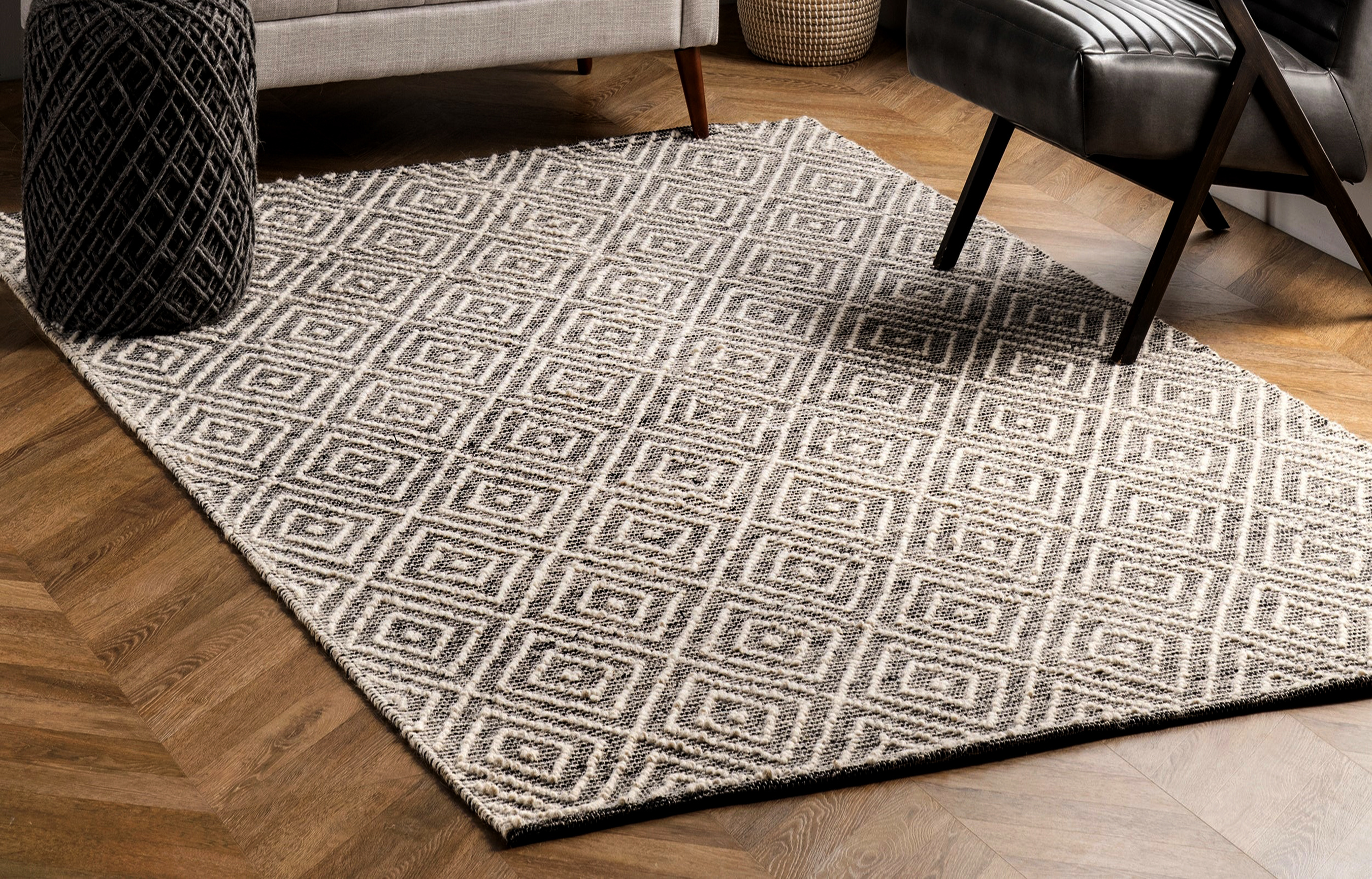
Another smaller issue about cold climates and floor, is that the floor can get cold sometimes causing an uncomfortable underfoot. This can be solved with rugs, like those sold on Znet Flooring’s website, or carpet tiles, also sold on the website!
Carpet is also an option to help fix this, though we do not sell it on our website yet.
What Makes a Floor Ideal for Cold Regions?
Properties of an ideal floor for the colder climates would be dimensional stability, moisture resistance, compatibility with indoor heating systems. It’s important for these floors to also have thermal comfort, not getting too cold in harsh winters and also being generally low maintenance during harsh winters.
Indoor heating systems can dry out floors, and the inconsistent temperatures can affect the natural shrinkage or swelling of some floors like laminate.
Let’s Review! What to look for in a floor?
- Dimensional stability
- Moisture Resistance
- Thermal Comfort/Compatibility with indoor heating systems
- Low maintenance during winters
These things will be key in finding out which floor is perfect for you and your wintery home!
Best Flooring Types for Cold Climates
Vinyl planks are commonly used and generally regarded as one of the best floors for most types of climates. Especially because they are mostly synthetic, they can be used with just about anything. They are compatible with radiant heating systems, although without them they also are known for their comfortable underfoot feeling. They are easy to install and manage, because they are typically unaffected by shrinkage, cracking, and gaping.
Engineered hardwood is also a strong contender for a good cold climate flooring due to its cross layer construction, minimizing movement and allowing it to be more resistant to seasonal changes. One drawback is that it needs proper acclimation.
Tile and Porcelain floors are also good, as they are extremely durable and are resistant to most things. They're great for radiant floor heating systems, though without them they can be quite cold in the winter, though this can be mostly solved with rugs!
What flooring holds up best against snow, slush, and wet boots?
What flooring is best for cold climates?
Luxury vinyl plank, engineered hardwood, and porcelain or ceramic tile are the best flooring options for cold climates because they handle temperature changes and winter moisture well.
Why does flooring fail in cold climates?
Flooring fails in cold climates mainly due to dry indoor air and temperature fluctuations that cause shrinking, gapping, or cracking.
Is vinyl plank flooring good for cold weather?
Yes, vinyl plank flooring is ideal for cold weather because it is moisture-resistant and remains stable in dry winter conditions.
Can engineered hardwood handle cold climates?
Engineered hardwood handles cold climates well because its layered construction reduces movement caused by winter heating systems.
Is tile flooring good in cold climates?
Tile and porcelain flooring work well in cold climates because they are not affected by cold temperatures and resist moisture from snow and slush.
Why shouldn’t I use solid hardwood in cold climates?
Solid hardwood is not recommended for cold climates because dry winter air can cause it to shrink, gap, or crack.
Does flooring need acclimation in cold climates?
Yes, proper acclimation helps flooring adjust to indoor conditions and improves performance in cold climates.
Does indoor heating affect flooring?
Indoor heating affects flooring by lowering humidity levels, which makes stable, moisture-resistant floors the best choice for cold climates.