Start typing to search posts!
Results for:
Categories
Recent Posts
TRUCOR Introduces New Collection Names
July 31, 2026
Comfort Heights Vs. Haven Heights: A Comparison
July 1, 2026
Best Flooring for Hot and Dry Climates
By Ehva Glines
January 20, 2026
The Best Flooring Options for Hot and Dry Climates (And What to Avoid)
As a retailer who ships all over the continental USA, we have a lot of customers from all different climates who have a wide selection of flooring and might need some help on the proper things to look for regarding their own climate! Climates can have an unexpected effect on floors, and it's terrible to not realize until it's too late! Since Znet Flooring is a native to a hot and dry climate, we will discuss this one first!
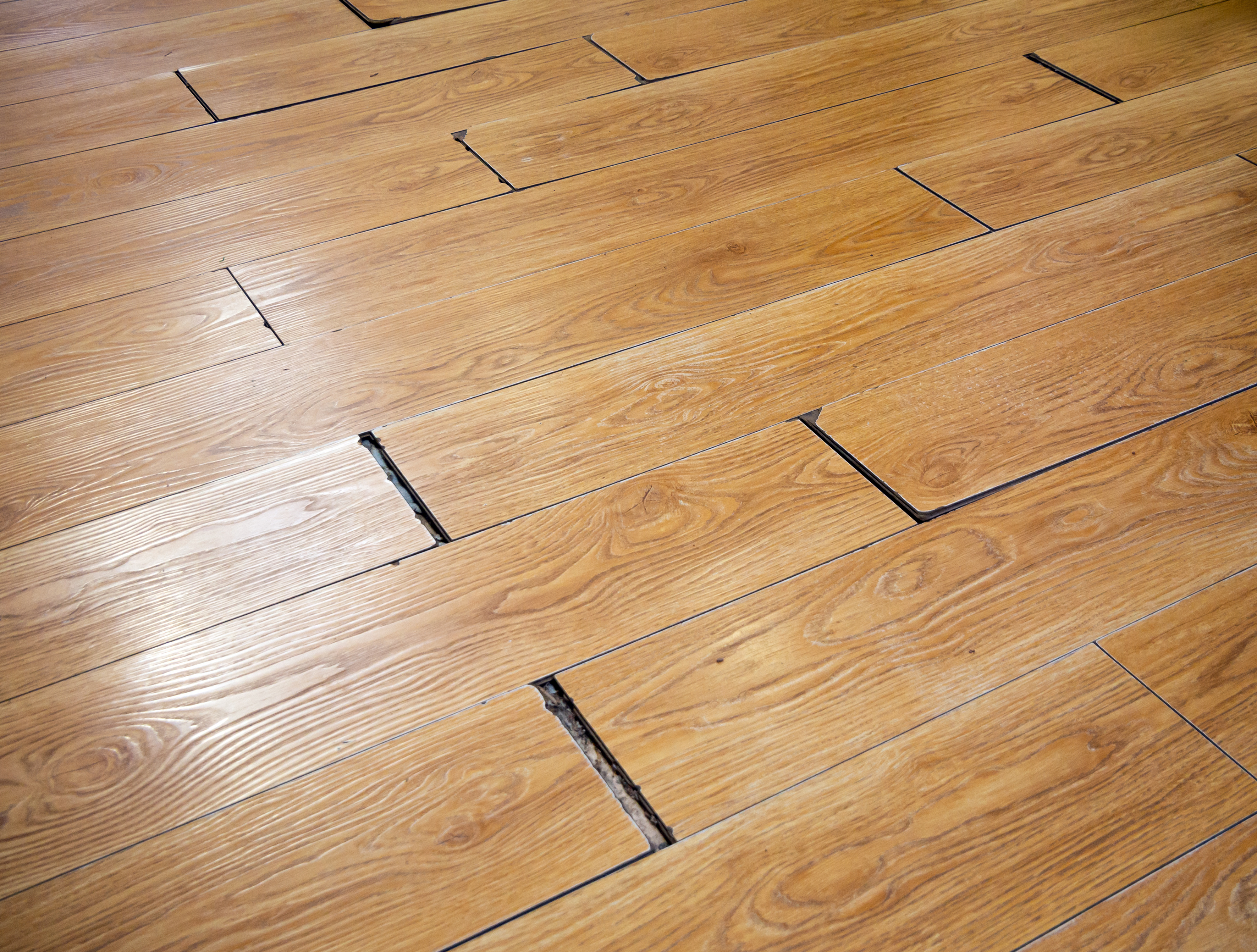
Some of the most common symptoms that flooring in hot and dry climates will face, tends to be shrinkage, cracking and warping, and fading. A lot of this happens because of how the floor and certain woods retain moisture. These things can have a lasting effect on your floor and make them not as durable for long time use, or wear them out quicker than intended.
What Makes a Floor Ideal for Hot & Dry Regions?
Typically, the things to look for in a floor that will last a long time in hot climates are UV resistance, Dimensional Stability, resistance to drying and shrinking, and low maintenance.
Dimensional Stability and resistance to drying and shrinkage will help your floor stay the same, and prevent cracking or warping while still remaining a high quality and strong floor. UV resistance will help protect against fading, helping the color remain consistent and beautiful. Low maintenance floors will help, as they will likely not need as much cleaning which in turn will keep moisture farther away from your floor.
This makes these floors good choices for dry and hot climates:
- Tiles, porcelain or ceramic tiles work really well as they absorb heat, deflect moisture, and don’t shrink or swell- prevent cracking.
- Natural stones are similar to tiles in that way, though they may need sealing to help with moisture. Both stay cool naturally.
- Vinyl LVP floors are made synthetically, giving them an upperhand on moisture conditions and won't end up warping or cracking.
While some engineered wood floors do okay in hot and dry environments, typically the top layer of the floor shrinks while the core remains largely unaffected. This is known as 'face checking' and looks like small surface cracks. Some species of hardwood tend to experience more often than others, typically maple and birch floors do ok in these situations while still not ideal.
Sometimes, these floors can even get worse when the residents leave for vacation or other extended periods of time due to humidity change (lack of running showers or sinks).
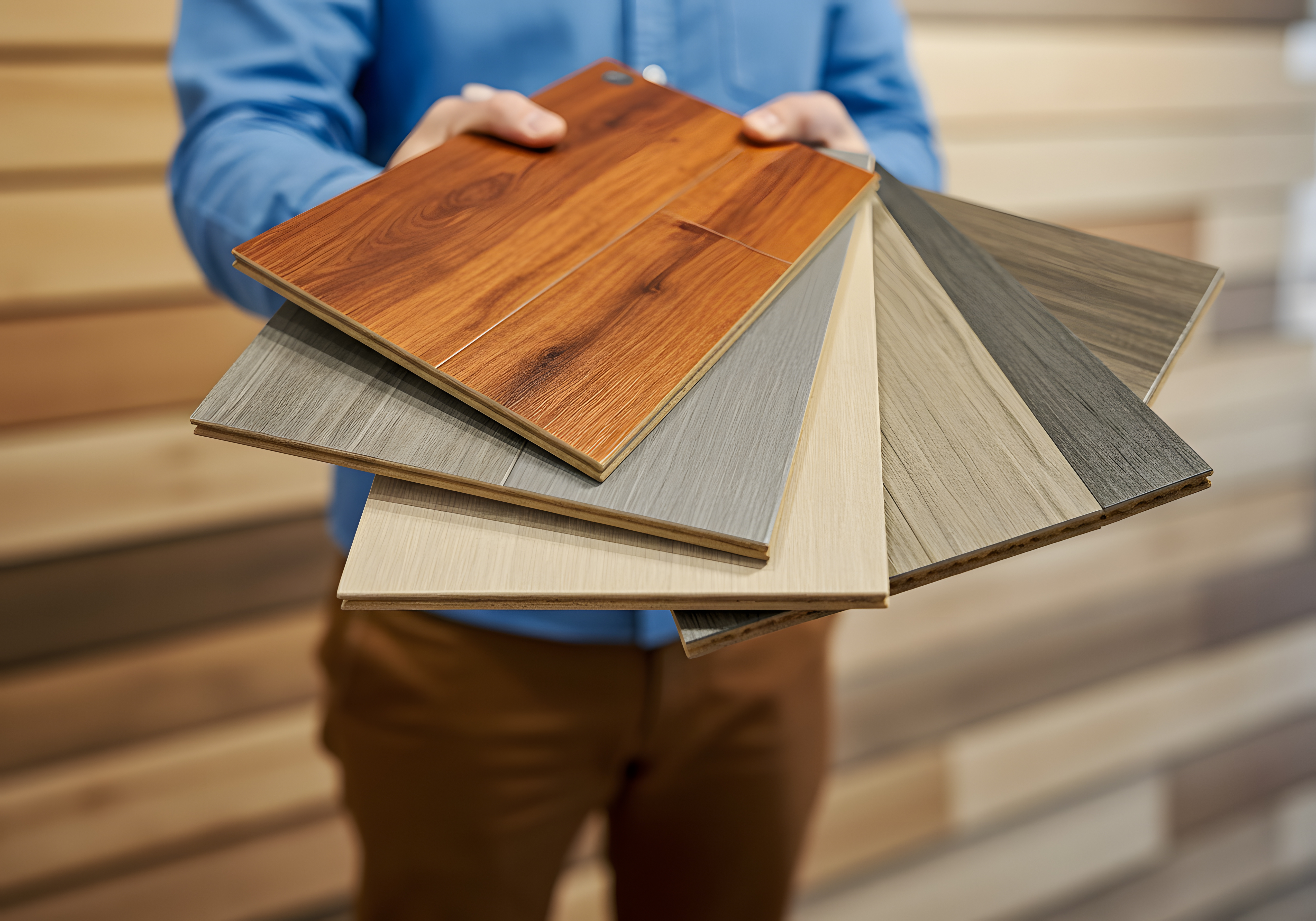
While these floors are great, climate friendly options for anywhere in the US there are still minor pros and cons with each type of these.
Vinyl Planks are known for their stable cores, being moisture proof, and being able to handle temperatures well, much better than laminates. Vinyl is generally good for any US climate!
Tile flooring is generally unaffected by heat and dryness due to its construction being stone and other similar materials. This, like vinyl floors, makes it a great versatile flooring solution.
Sometimes, half the battle is actually preparing and installing your flooring. A good way to ensure that some of these floors will perform the way they’re supposed to is to make sure to read their installation instructions. Hardwoods and vinyls may also need time to actually acclimate to the temperatures around them also.