Start typing to search posts!
Results for:
Categories
Recent Posts
TRUCOR Introduces New Collection Names
July 31, 2026
Comfort Heights Vs. Haven Heights: A Comparison
July 1, 2026
Waterproof vs Water-Resistant Flooring
By Ehva Glines
March 10, 2026
Waterproof vs Water‑Resistant Flooring: what’s the real difference?
Unfortunately, marketing teams for large manufacturers and companies tend to use words or phrases that utilize word play to confuse you. Mainly, a common place where this might happen to buyers is when they’re comparing laminate flooring and vinyl flooring. This trickery can take place when companies market their laminate products as “waterproof”, even though by definition laminate products can not be fully waterproof.
Today, in this blog post we will delve deeper into the meanings of waterproof and water resistant flooring, along with what warranties go with these types of flooring and what to watch out for.
Well.. What’s the Difference?
A large portion of laminate flooring is marketed as waterproof, mainly because it sounds better than water resistant. But what even is water resistant flooring as opposed to waterproof?
The main difference between these two is how they're constructed, changing the way they both deal with water. For example, laminate flooring is made with natural materials in its composition meaning that they also have to seal it differently. Laminate can deal with moisture, if it's quickly wiped away, though it will cause damage if it's being repeatedly exposed to moisture or exposed for more than a few hours.
Older laminates, when they were more susceptible to water damage, typically do not have a water warranty at all. Newer, more expensive laminates today do tend to have somewhat of a water warranty. Typically, water damage is covered on these newer and expensive laminates unless the water gets underneath the floor itself. However; its still very important to make sure that you take the time to read the warranty on the specific floor you’re buying. When housing laminate flooring, it's important to know what can cause water damage beyond just the obvious. A common issue is that laminate flooring can swell if you have micro-scratches deep enough or seams that aren’t properly secured.
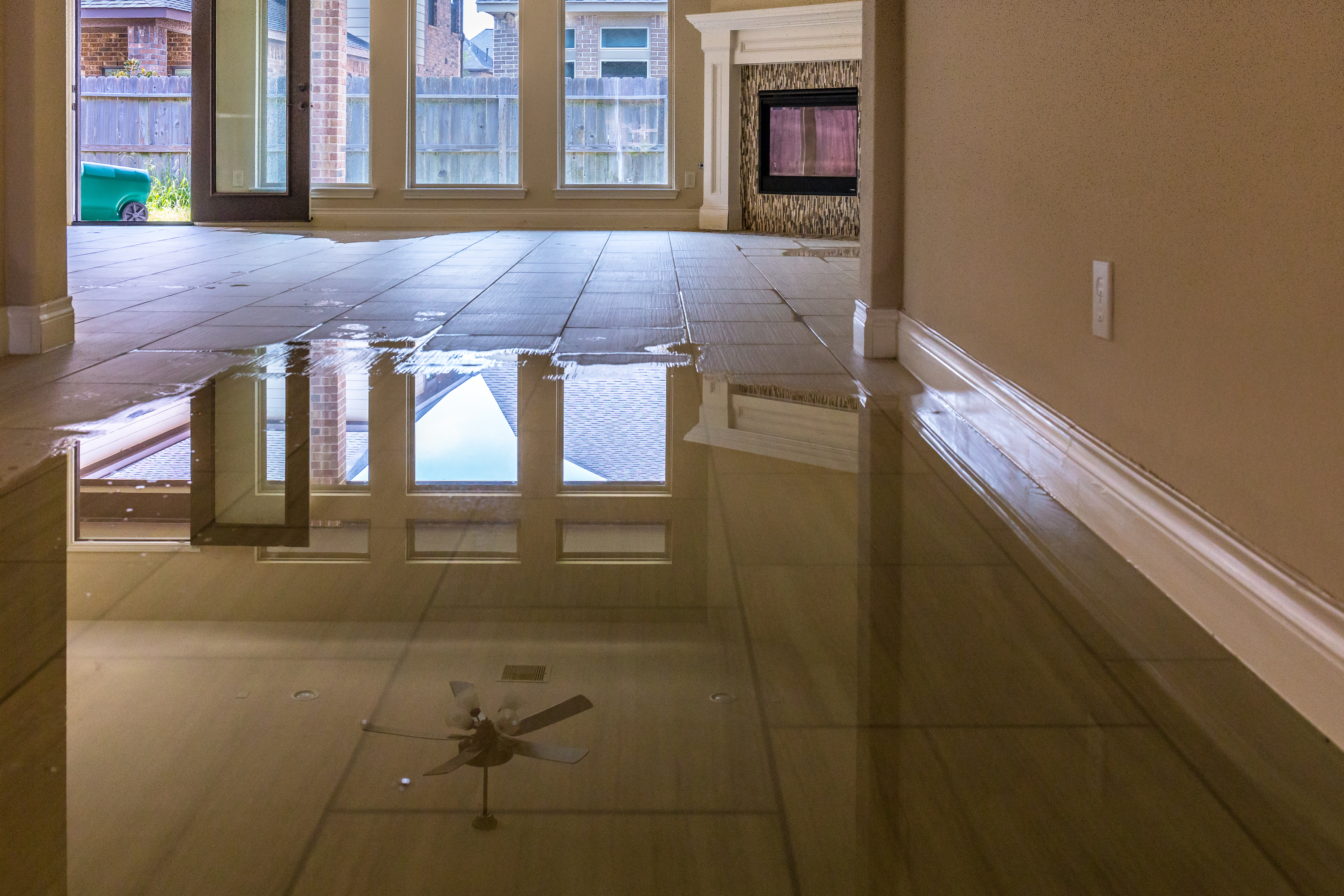
Some manufacturers label 24‑hour water‑resistant laminate as “waterproof”. The swell rate defines how long water can sit before the HDF core swells; high‑end laminate with 8 % or 5 % swell rates can endure 80–100 hours, but it is still wood‑based and not truly impervious. Marketing rarely discloses the difference between water‑resistant and waterproof vinyl’s rigid core.
Vinyl floors on the other hand, are marketed as waterproof, and generally they are! Due to their synthetic nature, they don’t absorb as much water and therefore making them more resistant to such. It’s said that some vinyl floors can even survive being submerged in water for days. While it’s still not recommended to let water sit on your floor for too long, vinyl is definitely more forgiving than its counterpart. Most vinyl floors have warranties that cover topical moisture as well, and they are mostly more lenient than laminate’s waterproof warranties. They do not typically cover major flooding, mold, or subfloor damage though, so keep that in mind when looking in the market for vinyl floors.
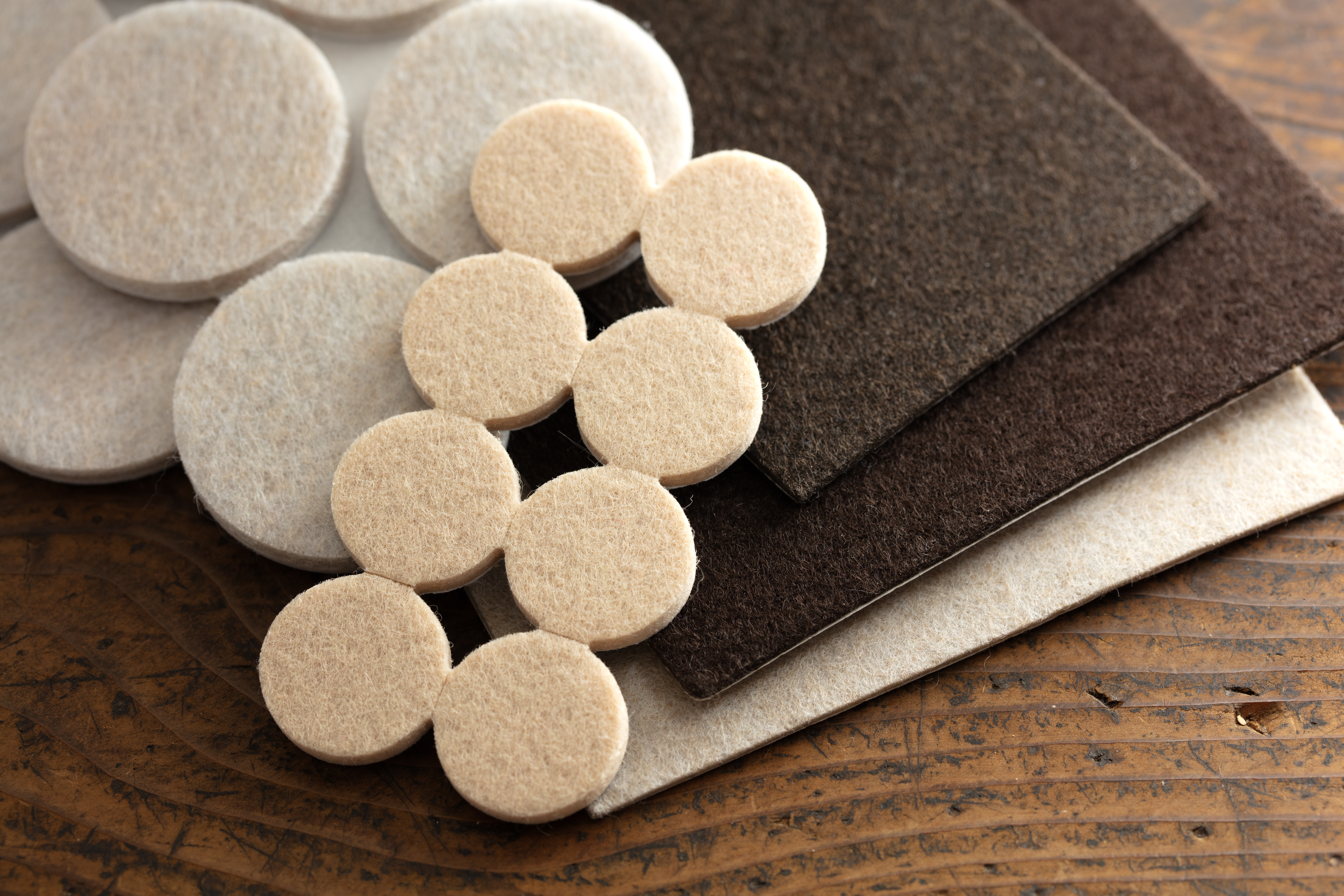
Vinyl Floors also typically have stronger wear layers, which makes them more resistant to scratches and dents, not just water damage! *However you can protect your floors even FURTHER if you use felt pads, which give your floors an extra layer of protection from furniture.
Break Down!
- Water-Resistant but not Waterproof.
- Warranties don’t typically cover water damage well.
- Natural materials, less expensive
- Better for low traffic
- Stratch-resistant, but not dent or chip proof
- Generally considered waterproof
- Better warranties for water damage, as long as it doesn’t affect subfloor
- More synthetic, more expensive
- Better wear layers, better for traffic
- Better at resisting dents or chips
Due to this, vinyl floors are typically a lot more expensive than your average laminate but that doesnt mean that laminate isnt good for your use case. Due to their higher quality construction and more synthetic materials, they're generally regarded as the better option. It's important to take these factors into consideration when weighing the pros and cons between laminate and vinyl floors, even though vinyl is a lot easier to maintain laminate isnt really particularly hard to maintain either despite the extra work.
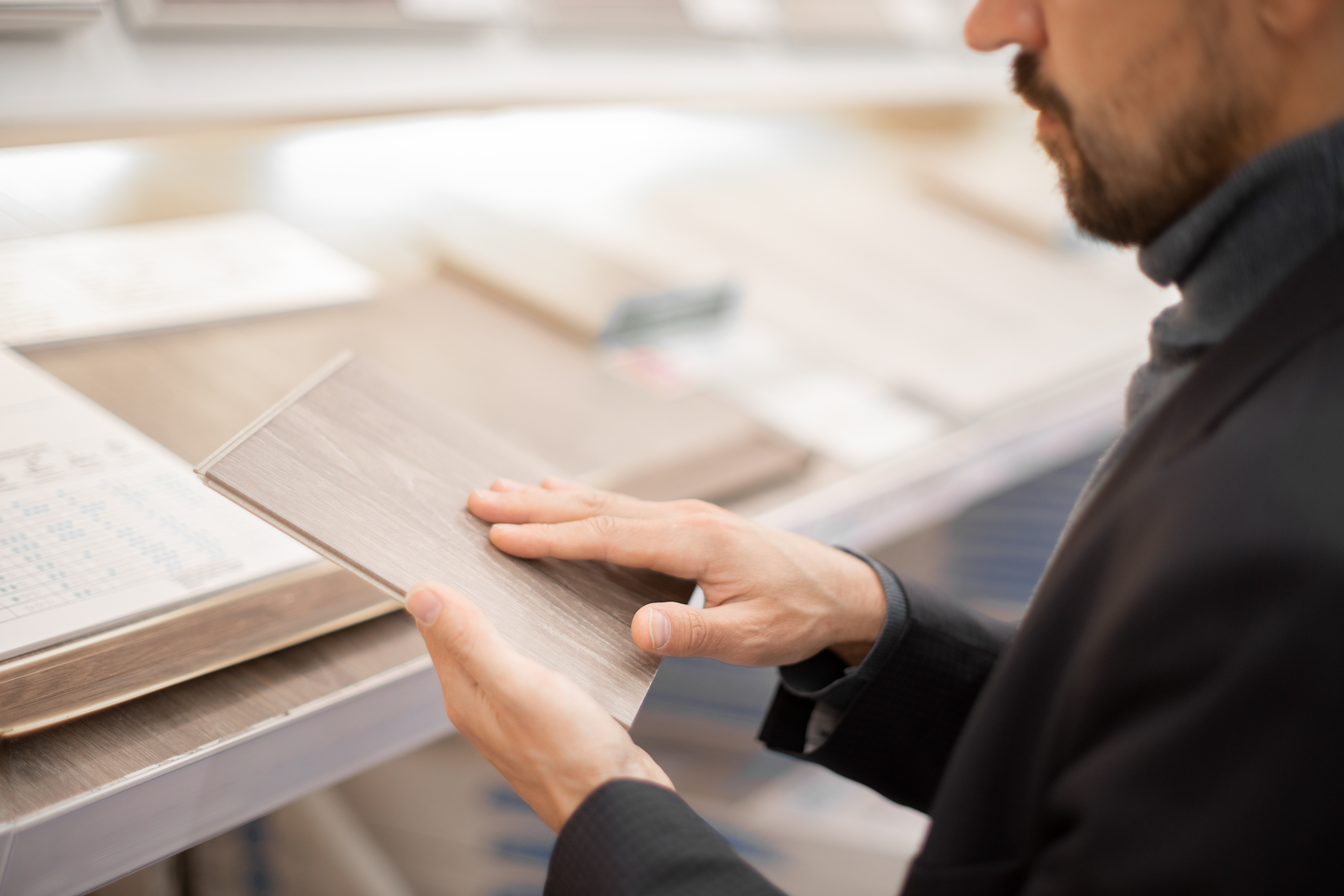
It's always especially important to compare warranties between floors!
FAQ Section
Is water resistant flooring the same as waterproof?
No. Water-resistant flooring can handle spills for a limited time, but moisture can still penetrate seams or the core. Waterproof flooring does not absorb water and can withstand prolonged exposure without damage.
Is laminate flooring truly waterproof?
Most laminate flooring is not waterproof. It has a wood-based (HDF) core that can swell if water gets into the seams or sits too long, even if the surface is treated for water resistance.
What happens if water sits on laminate flooring?
If water sits too long, it can seep into the joints and cause the core to expand, leading to swelling, warping, or edge damage that usually cannot be reversed.
Is vinyl flooring 100% waterproof?
Yes. Vinyl flooring (SPC or WPC core) is made from synthetic materials that do not absorb water, so it will not swell or break down when exposed to moisture.
Which flooring is better for kitchens or basements?
Vinyl is the safer choice. It handles standing water, humidity, and spills without damage, making it more reliable for kitchens, basements, and other moisture-prone areas.
Can pet accidents damage laminate flooring?
Yes. If liquids sit long enough, they can seep into seams and cause swelling or odor issues. Faster cleanup helps, but laminate is still more vulnerable than vinyl.
Does “waterproof laminate” actually exist?
Some laminate products are marketed as waterproof, but most are still water resistant with time limits (24–72 hours). The core is still wood-based, so long-term exposure can cause damage.