Start typing to search posts!
Install Tips
Results for:
Categories
Recent Posts
TRUCOR Introduces New Collection Names
July 31, 2026
Comfort Heights Vs. Haven Heights: A Comparison
July 1, 2026
DIY Flooring: Is It for You? A Brief Guide
By Shawn Glines
July 14, 2019
Is DIY Flooring For You?
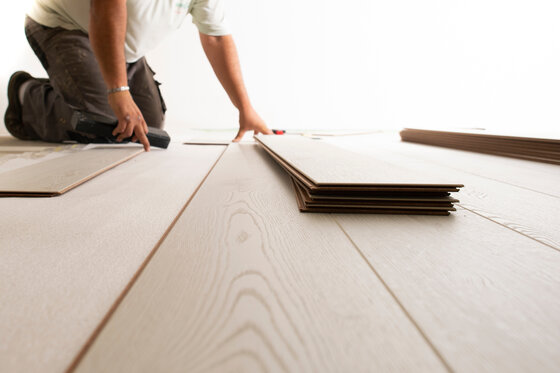
Installing Your Own Floor: A Brief Guide
Your home in need of new floors? Are you considering doing it yourself? Before you do, check out this guide to the basics of DIY flooring.
Did you know that installing new flooring can increase the value of your home?
Have you been wanting to re-do your floors but want to keep costs to a minimum? Are you hesitant to hire a professional?
Consider doing it yourself!
DIY flooring is more affordable and easier than ever. Even a novice with no prior experience can transform his or her floor and give the home a whole new look.
Whether you are thinking of selling your home or are still enjoying it, updating your floors can give your home increased aesthetic value. Something as seemingly small as a change in flooring can make an old house look brand new.
If you are thinking about doing it yourself, but aren't sure what you're doing, keep reading for our top tips and strategies.
Do Your Research
It's important to go into the process knowing that it won't be easy.
Even if you use simple materials, you will need to calculate carefully and cut precisely. If you've never done any home renovation projects yourself, flooring isn't exactly the best place to start.
However, it can be done right if you are up for a challenge and are willing to do some research. Doing it yourself could save you hundreds to thousands of dollars.
Watch plenty of how-to videos before you get started.
The most DIY friendly flooring types would be floating floors with a locking system, we have options in this category for hardwood, laminate, and vinyl flooring.
Buy the Flooring
Before you go crazy at the store, you need to determine what type of flooring you want to use.
Watch YouTube videos about installing that type of flooring. When you visit the flooring store to make your purchase, talk to the supplier to find out some important information.
Ask about the different warranties and ask for advice on acclimation, how to treat it, and how to install it.
Obtain the Right Tools
One of the most important ways to ensure your DIY flooring job will turn out like the pros is to make sure you are using the right tools.
Once you've decided on a type of flooring, research the types of tools you will need to install it or ask your supplier.
You can usually rent heavy-duty power tools that you might need from a local hardware store, so you don't have to worry about the cost of purchasing them. However if you tend to do other projects around your house, purchasing the tools could have a better long term value.
Have Realistic Expectations
Know that each type of flooring has a different method of installation.
Make sure you know what you are doing before you get started and be realistic about your expectations. Be prepared and know that your project may take longer than you think.
YouTube videos will give you a great idea of how to install your floor, but if you are a first-time floor installer, things might take some time. Depending on the size of your area and the type of flooring you choose, it can take several days to install your floor.
Need More Help with DIY Flooring?
If you have decided to give DIY flooring a try and aren't sure of your next steps, reach out to us, we can probably point you in the right direction.
Contact us today for help getting started.
Floor Installation 101: What You Need to Know About Installing Floors
By Shawn Glines
June 1, 2019
Floor Installation 101: What You Need to Know About Installing Floors
Installing Floors: What You Should Know
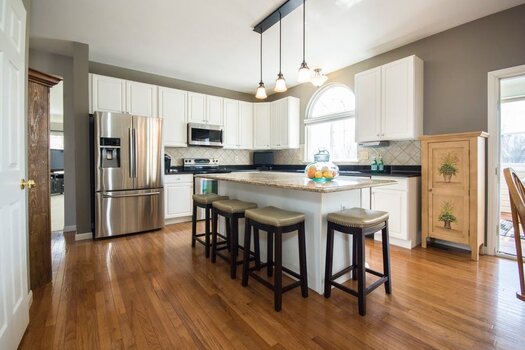
Installing floors is a wonderful way to improve your living space. Follow this step-by-step guide to brand new beautiful floors you can do yourself.
Rising investment in residential construction has seen a high demand for flooring installers. In 2018, the flooring installers industry in the US grew by 5.8% reaching $26 billion. During the same period, the number of flooring installation companies grew by 1.8%.
In the floor covering segment, revenue grew to $27,011 million in 2019. Experts forecast that the market will grow by 0.5% by 2023. When it comes to installing floors, you need to have skills, experience, and tools.
Without them, it will be hard to avoid gaps, cracks, bumps, dips, and humps on your floors.
In this post, we discuss some of what you need to know about installing floors.
Learn the Basics About Flooring
In floor installation 101, the first step is to learn the basics. What types of floors are available in the market? What is the difference between laminate, hardwood, and vinyl flooring?
What is the difference between engineered and solid hardwood flooring? Is laminate or hardwood better? Is a waterproof flooring needed? Which flooring is best for a basement?
We understand that this means reading through lots of resources. By learning all these, it becomes easier for you to select the right flooring that fits your needs.
When it comes to flooring types, you have hardwood, vinyl, laminate, and tile (natural stone or porcelain). Each flooring type has its own pros and cons. They also come in different styles, colors, and textures.
Installing Floors – DIY vs Professional Contractor
There are over 1.688 billion websites on the internet. Of these, only 200 million are active. The internet is resourceful. You can find thousands of articles detailing how to install floors.
For instance, you can find a guide on how to install laminate floors or how to install floors by yourself.
These guides are useful and they can help you save money and install your new floor. You also have the option of hiring a professional contractor. As an expert, he is skilled and experienced.
If you want to install your laminate, hardwood or vinyl plank flooring, it will help if you have the right tools. Will you be doing other DIY projects, or will this be your only one, how much you should invest in tools highly depends on how ofter you may use them:
To begin the floor installation, you must first prepare the room. This calls for the removal of furniture and hangings on the wall. For laminate flooring and some floating vinyl planks, you can install over old tile or stone as long as it is properly adhered and flat enough.
You may have to make lots of calculations to come up with the perfect layout, measuring and cutting is part of the process. For hardwood floors, some may have to be sanded, although the vast majority are prefinished now days, mostly for superior durability.
When Installing most hardsurface flooring, you may need to undercut door casings, door jambs, and maybe some other fixed objects in order to properly run the flooring underneath for a professional look. We did make a blog post discussing this, click here to give it a read.
Protecting Yourself When Installing Floors
Like any other project, safety comes first. Before installing floors, protect your knees using knee pads.
Don’t forget to put on your protective eye wear.
Shopping for hardwood, vinyl, laminate or tile flooring? We at Znet Flooring can help. Contact us today! And don't forget to learn more about maintaining and protecting your new floor!